UPHOLSTERED SEATING FURNITURE – MAINTENANCE INSTRUCTIONS
Upholstered furniture is the result of manual craftsmanship, and each product is to some extent unique. For this reason, slight dimensional deviations may occur. New upholstered furniture — i.e. upholstery material, PU foams, and other components — shows firmness and tension at the beginning. Through regular use, these materials may loosen. This may lead to a change in seating firmness, and in the case of upholstery materials (especially leather), wrinkling and creasing may appear. These natural changes are further influenced by temperature, humidity, and the user’s weight.
INFORMATION ABOUT UPHOLSTERY MATERIALS
Upholstery materials must withstand high loads. They are exposed to everyday dirt, dust, light, heat, user weight, friction causing abrasion, and sweat (which can be very aggressive and may damage the upholstery material in some cases).
All these factors — together with intensity of use and regular maintenance — significantly affect the lifespan of the upholstery material.
Leather is a natural material of animal origin with its typical characteristics such as natural scars and scratches, pigment spots, minor abrasions, or wrinkles. These features highlight the uniqueness of the product.
Visible areas are selected from parts of leather where such characteristics are minimal or absent, without affecting appearance or durability. On non-visible areas (back panels, hidden parts, etc.) these features are permitted.
A natural property of leather is its tendency to wrinkle and stretch, particularly on seating surfaces. The surface finish of leather ages naturally, especially in light colours, which may yellow over time.
Leather is a very durable material with a long lifespan. To preserve its beauty and natural appearance for as long as possible, regular care and proper use are essential.
GENERAL WARNINGS
Do not overload upholstered furniture by excessive strain, multiple users of normal weight, jumping, etc. Overloading or excessive dynamic stress may damage structural joints.
Do not place upholstered furniture close to heat sources. The minimum distance should be 50 cm.
Avoid direct sunlight exposure.
Avoid contact of upholstery with non-colourfast clothing or denim fabrics, which may cause colour transfer. Also be careful with belts, metal rivets, zippers, or keys in pockets — these can scratch, stain, or abrade the upholstery.
With some upholstery fabrics, friction from clothing or blankets may cause pilling. Created pills (small fiber balls) can be easily removed using a fabric shaver, a soft brush, or a vacuum cleaner.
Just like all materials intended for everyday use, upholstery materials require regular care. Dirt should not be allowed to accumulate excessively, as this makes cleaning more difficult and reduces the lifespan of the materials.
Proper care and cleaning directly influence the longevity and usability of your upholstered furniture.
Wear and tear is not considered a manufacturing defect, and its extent depends solely on the customer. Common examples of wear that are often incorrectly claimed as defects include softening of foam fillings, partial wrinkling of fabrics or leather, squeaking, etc. Although these issues cannot be claimed as defects, they can usually be resolved through regular maintenance or standard service.
The manufacturer reserves the right to variations in colour, differences in fabric and leather batches (the shade may slightly differ from samples). Due to dyeing techniques, absolutely identical colour matching cannot always be guaranteed. Please note that additional orders may involve material from a different dye batch, which can result in colour differences.
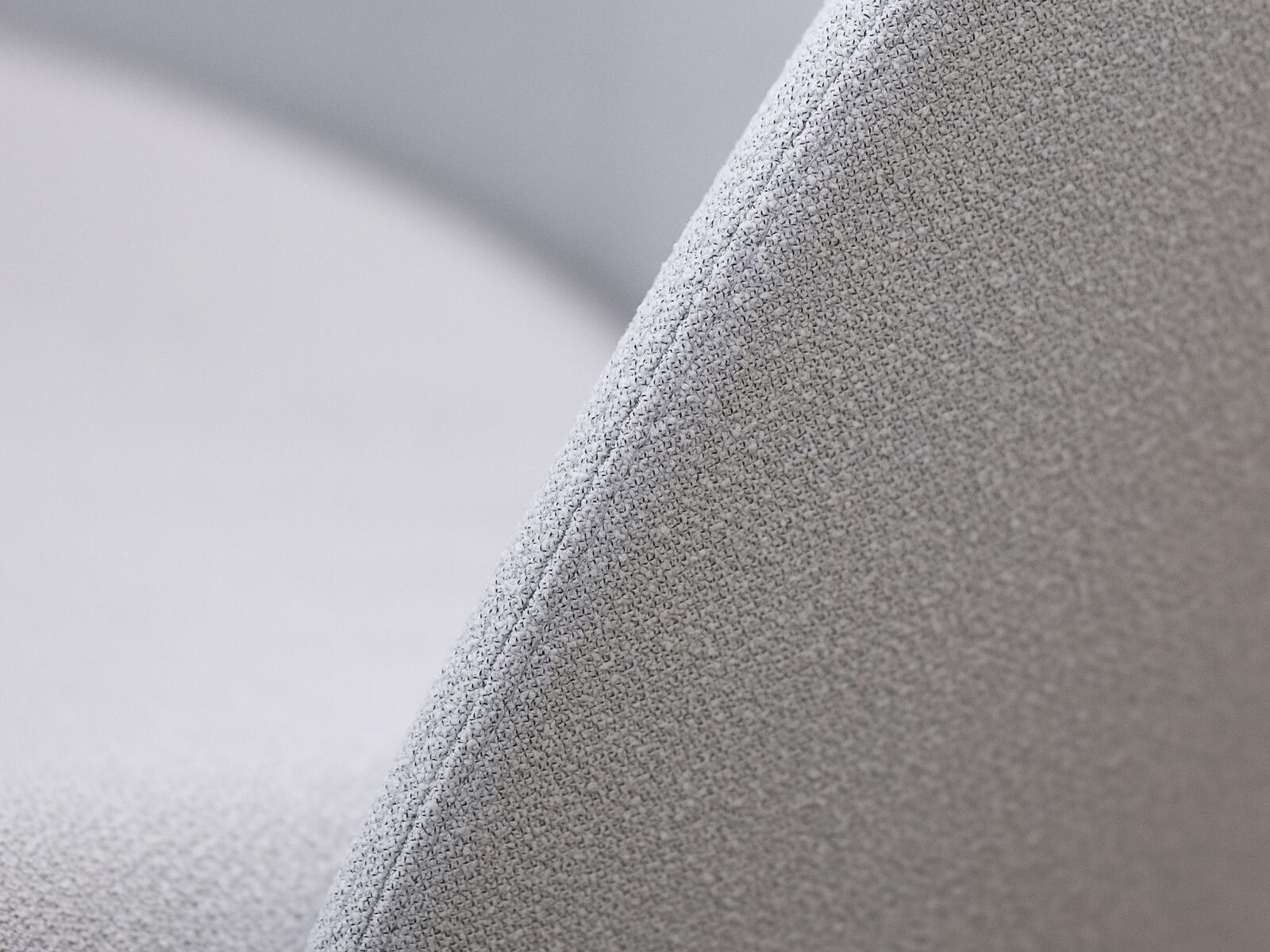
FABRIC UPHOLSTERY – MAINTENANCE INSTRUCTIONS
- Regular maintenance consists of removing dust and small surface dirt exclusively with a vacuum cleaner set to low or medium power and equipped with an upholstery attachment.
- Do not use high suction power or a beater bar.
- Clean fabrics only by shampooing with standard cleaning agents intended for this use, applied with a soft sponge or cloth. Do not clean with abrasive tools (e.g. hard brushes).
Warnings:
1. Before using any cleaning products, test them on a less visible area to ensure that the fabric does not bleed colour and that the product does not cause damage.
2. Never use chemical solvents or laundry detergents.
3. Only use pH-neutral cleaning products.
4. Avoid soaking the upholstery during cleaning.
5. Do not expose fabric to direct sunlight to prevent fading.
6. For thorough and full-surface cleaning, we recommend contacting a professional cleaning service.
LEATHER UPHOLSTERY – MAINTENANCE INSTRUCTIONS
- Keep leather free of dust particles. Vacuum once a week and wipe with a damp cotton cloth.
- Remove fresh stains immediately with a damp cloth or a sponge moistened with distilled water or a designated leather cleaner. Use gentle circular motions, then dry carefully with a wool cloth. If the stain cannot be removed, contact a professional.
- Absorb spilled liquids immediately with a paper towel.
- Use only cleaning and conditioning products specifically intended for leather. Never use chemical solvents, shoe creams, or polishing waxes.
Warnings:
1. Test all cleaning products on a less visible area first to ensure colourfastness and avoid damage.
2. Do not expose leather furniture to direct sunlight or strong light sources. This helps maintain suppleness and prevents cracking, drying, and fading.
3. Regular maintenance significantly prolongs the lifespan and appearance of leather upholstery.
4. Do not place newspapers or magazines on leather surfaces; their inks may transfer and stain the leather.
5. Optimal climate conditions for leather furniture are: humidity 50–75%, temperature 10–25°C.
6. Complete cleaning and conditioning of leather upholstery should be performed 2–4 times per year (depending on use). This helps preserve softness and appearance over time. Full, professional cleaning is recommended for thorough maintenance.