From a single chair to an entire space
How RIM evolved from manufacturing swivel chairs to creating complete interiors
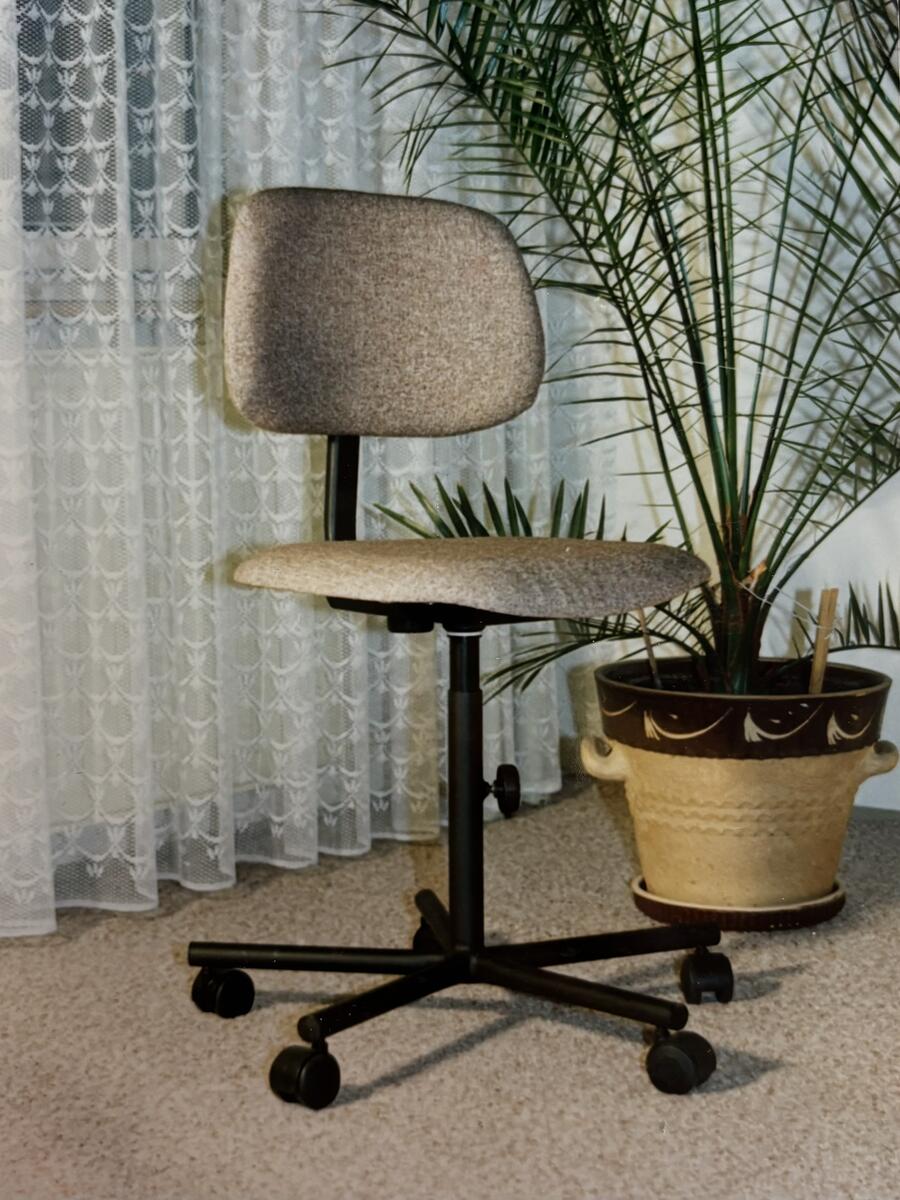
It all started with one chair. Literally.
Made in conditions that were closer to a garage than a production hall. At a time when entrepreneurship was only just gaining momentum and the market itself was still taking shape. The first swivel chairs were not just products. They were a response to a specific need – to create functional, accessible and high-quality seating for everyday work. At the same time, they marked the beginning of a way of thinking that still defines RIM today: how people really sit, work and move within a space.
From product to understanding space
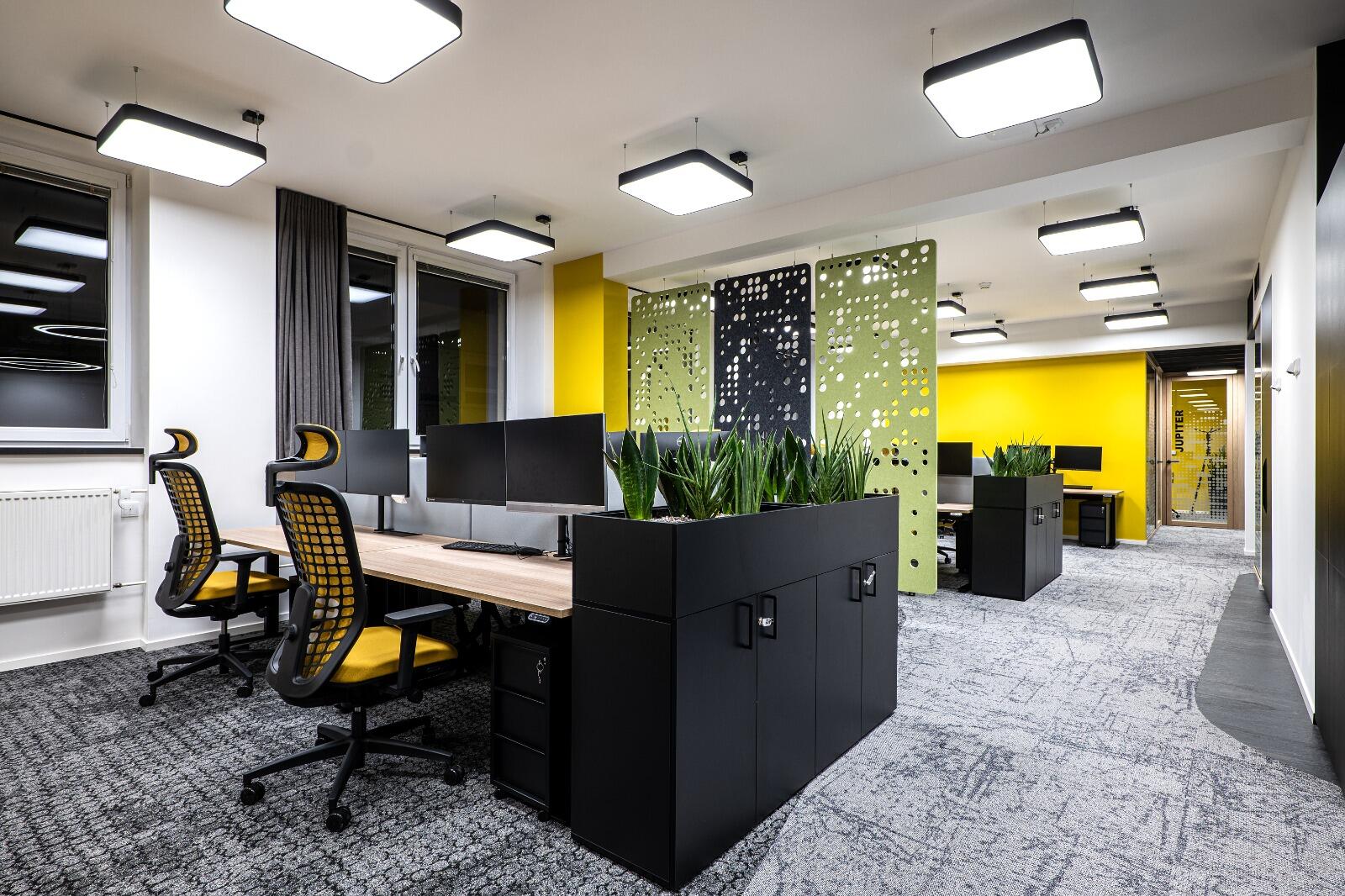
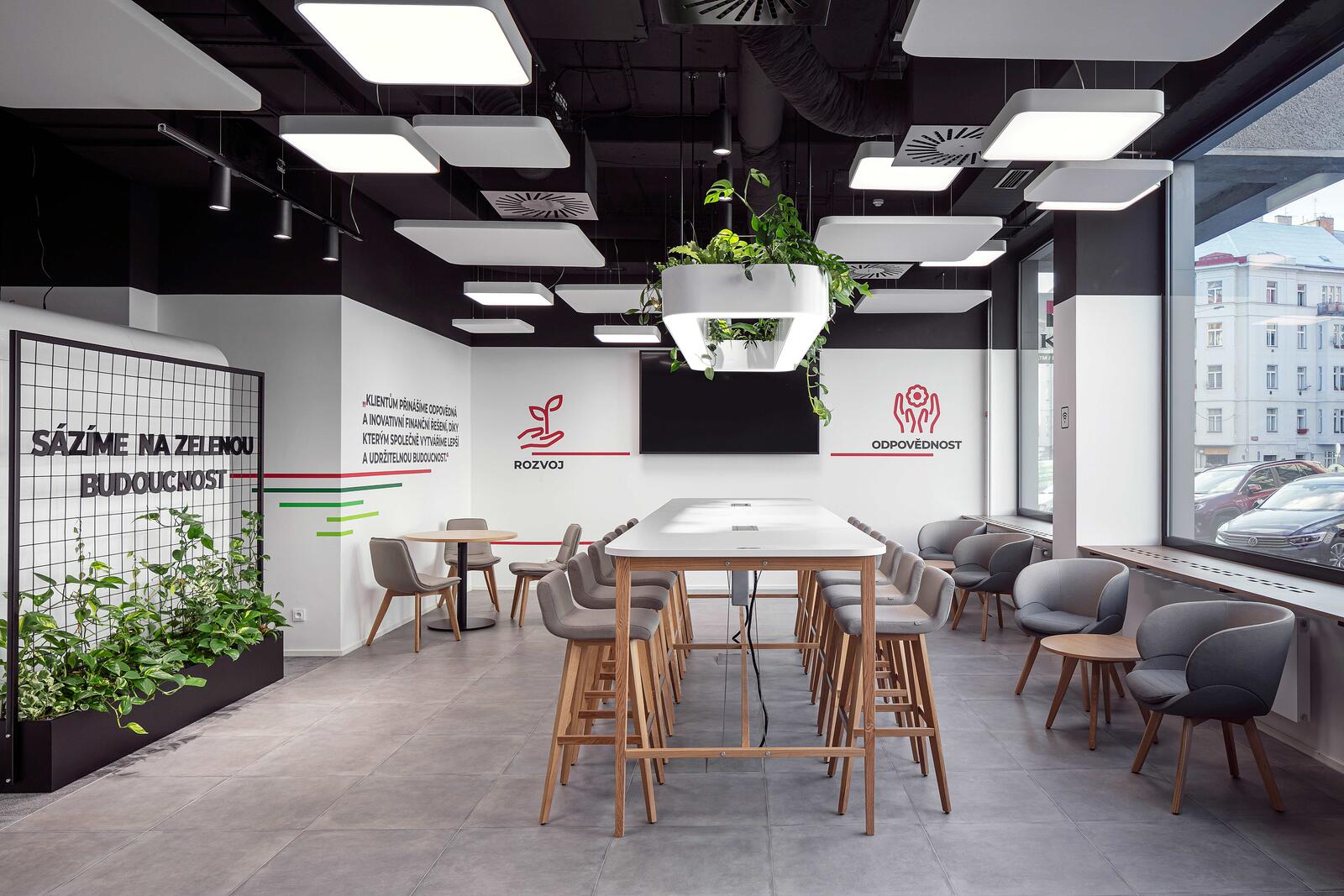
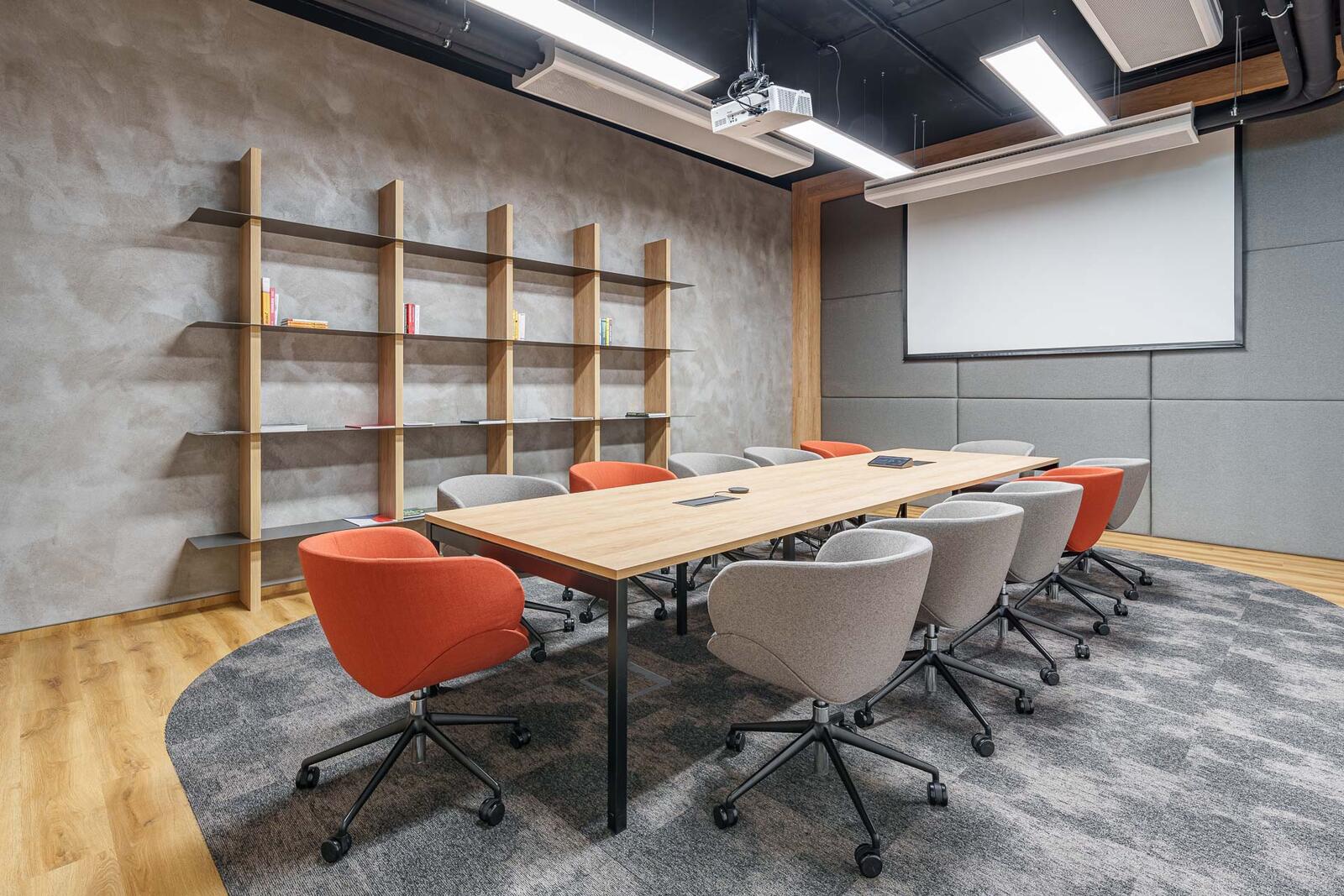
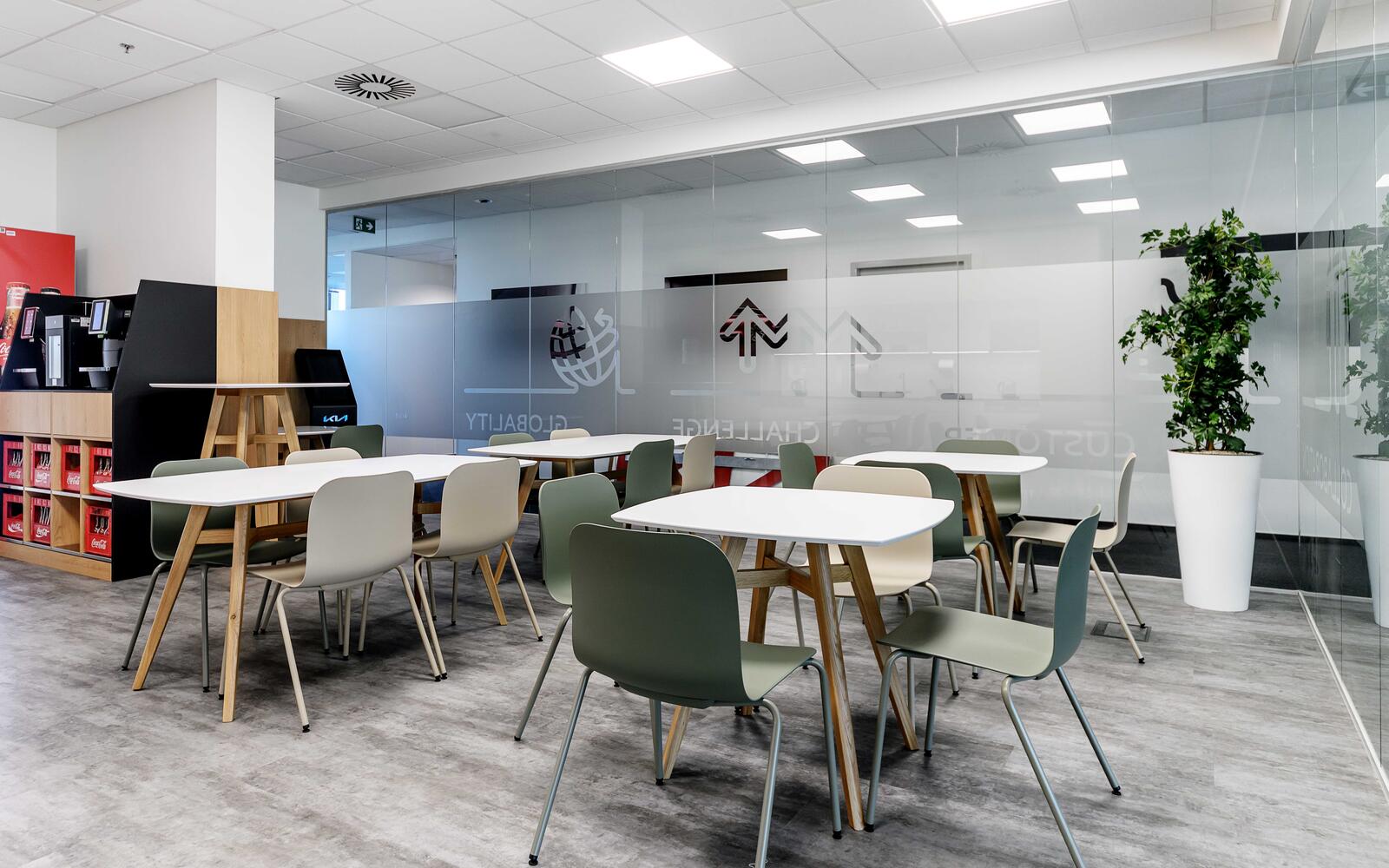
For a long time, RIM was synonymous with the office chair. Ergonomic, reliable and designed for long-term sitting. Gradually, however, it became clear that the chair alone was not enough. The way we work had changed. Offices were no longer just places for individual performance. Open spaces, informal zones, areas for collaboration, concentration and relaxation began to emerge. And with them came new demands on interior equipment.
It was no longer enough to address how a person sits. It became necessary to consider where they sit, why they sit there and how they move through the space. This is where the real shift began.
Soft seating: comfort as part of work
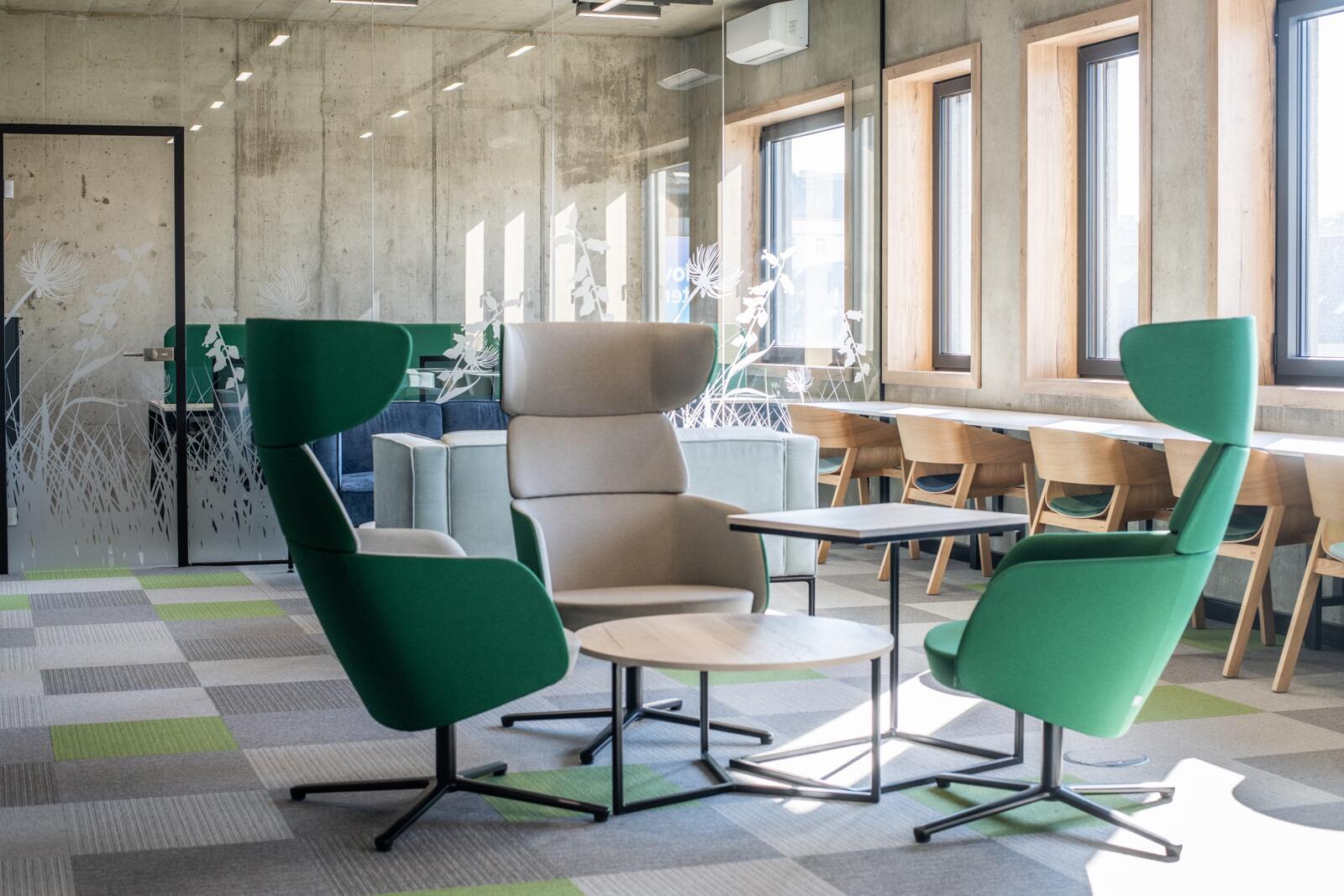
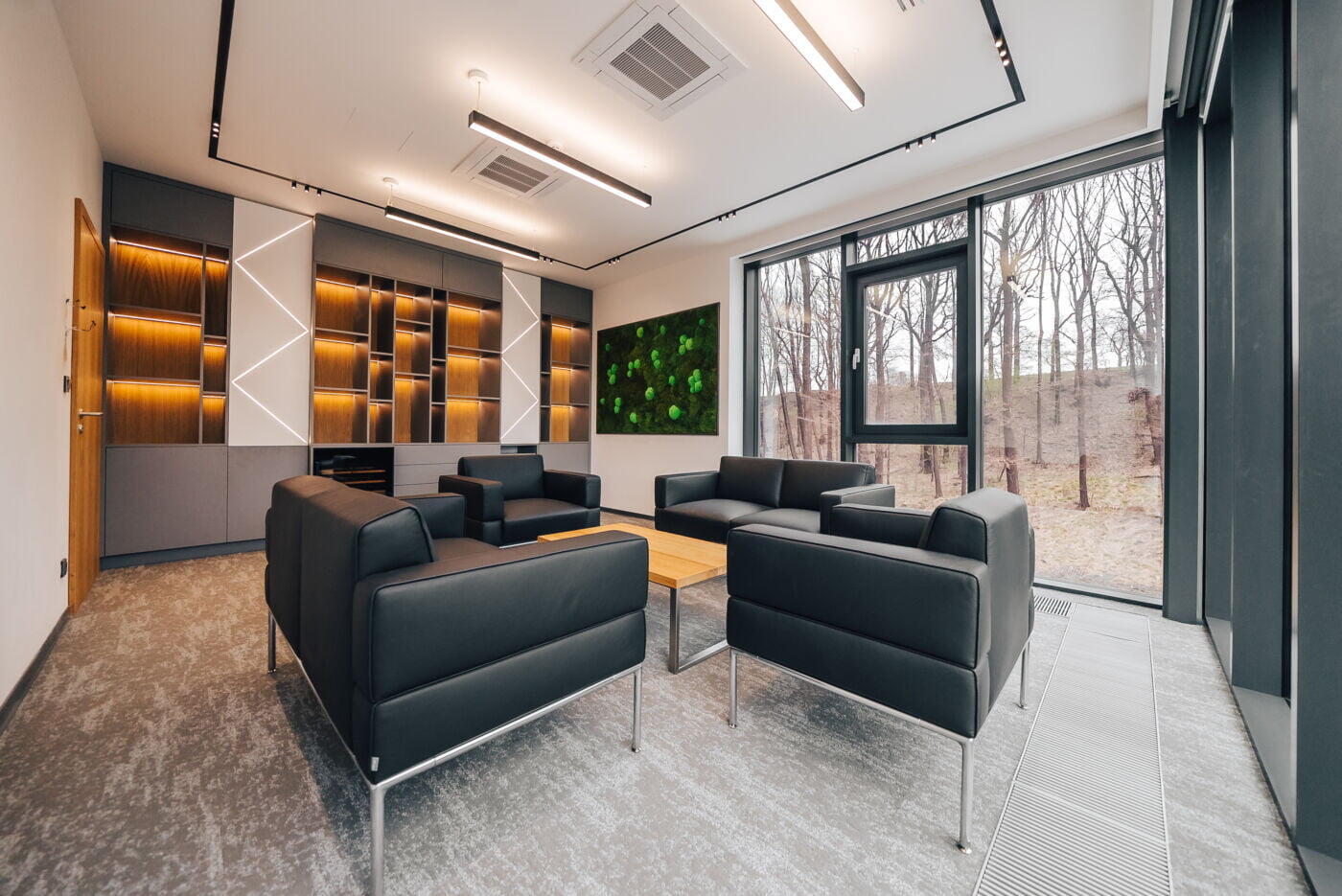
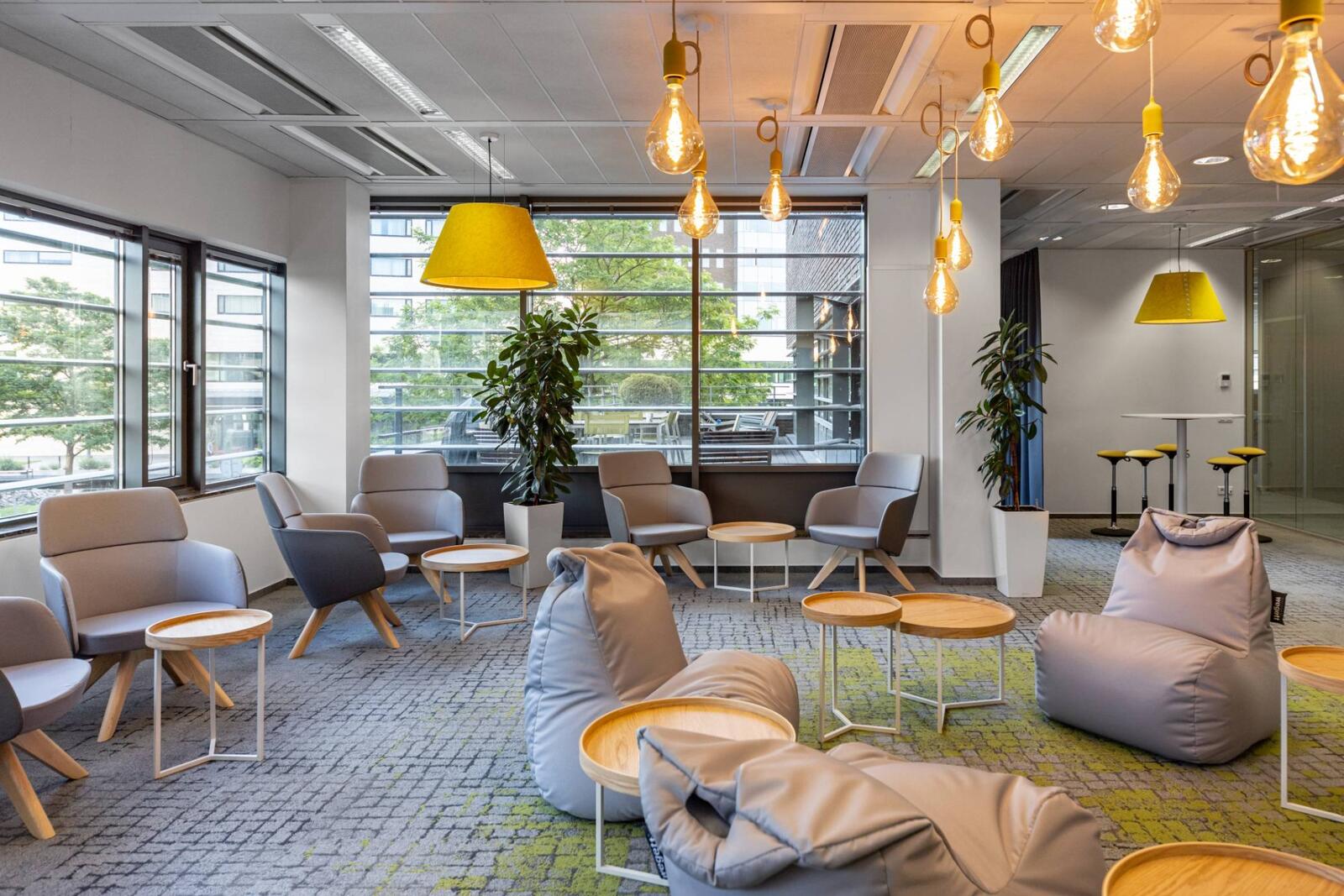
Entering the soft seating segment was not simply an expansion of the portfolio. It was a change in perspective. Armchairs, lounge seating and modular sofas brought a new quality into the work environment – comfort, informality and variability. Space began to gain new layers. It was no longer only about the workstation, but about an entire environment that supports different types of activity throughout the day.
Products such as Kloe, Organix, Ca-va and Cubix show that soft seating can also be designed with a focus on ergonomics, durability and long-term use.
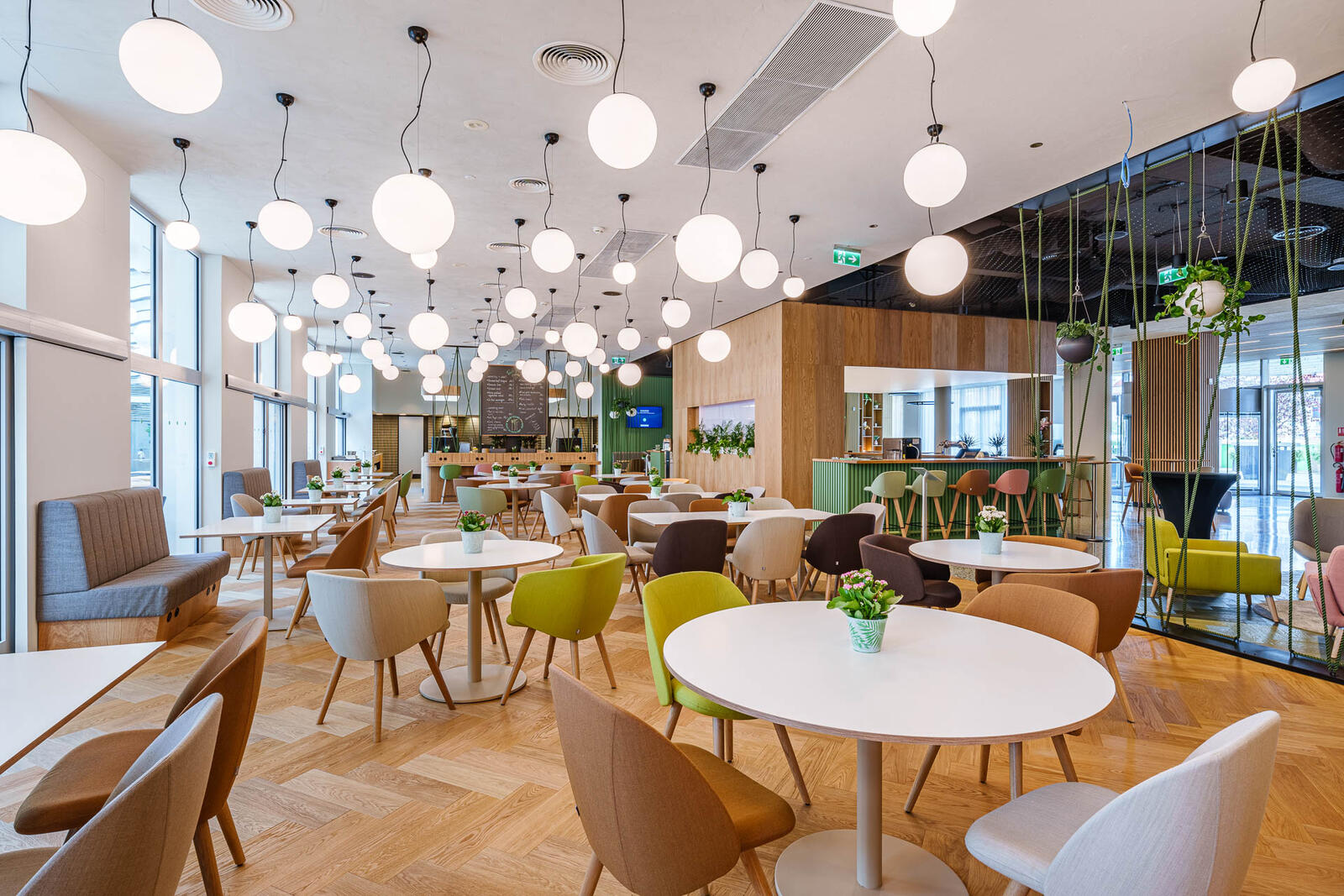
Soft seating has therefore become a natural part of the modern office. And through soft seating, RIM has also naturally become part of new segments of public interiors, including hotels, cafés and restaurants.
Agilo: when furniture starts to shape space
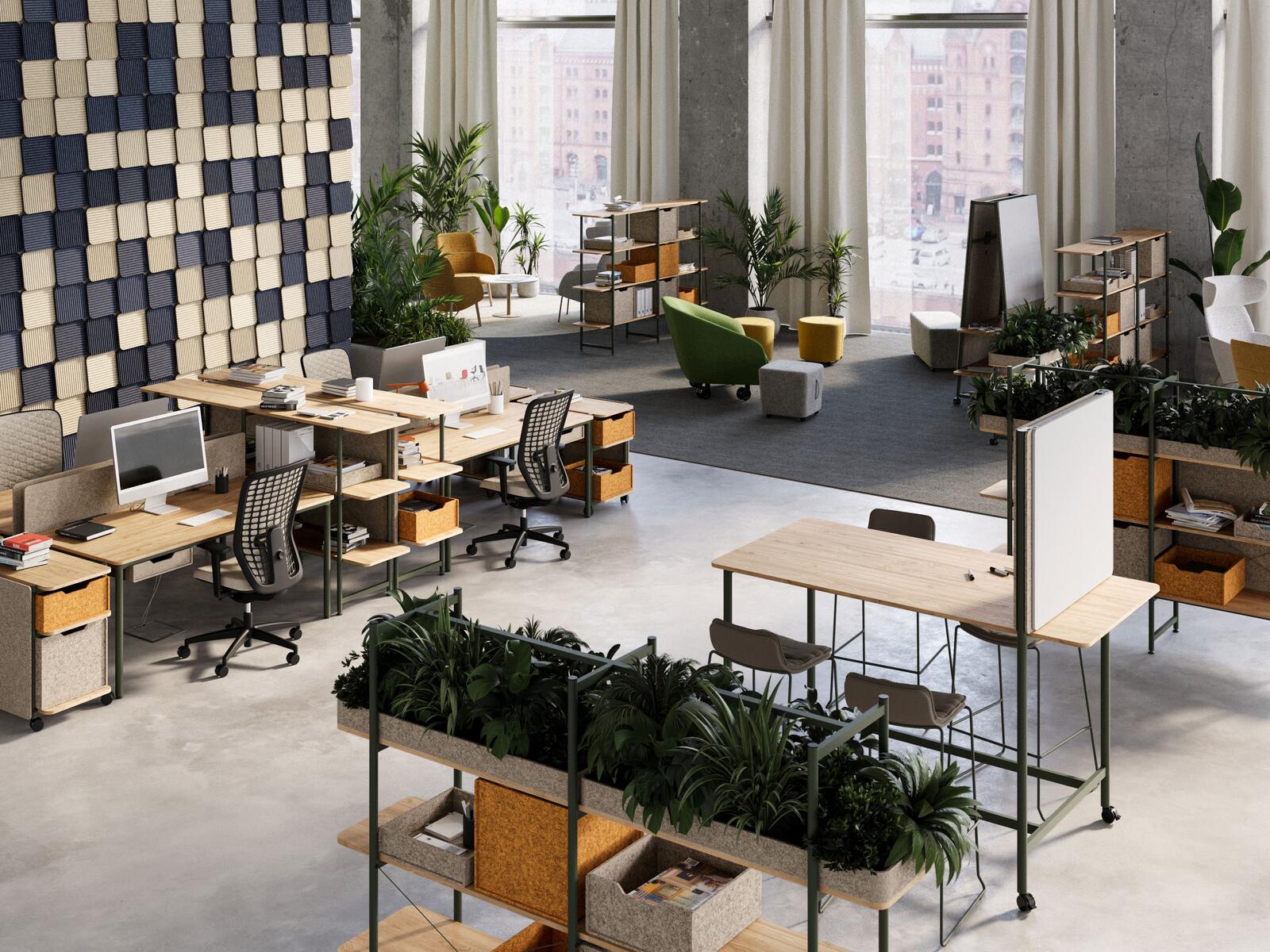
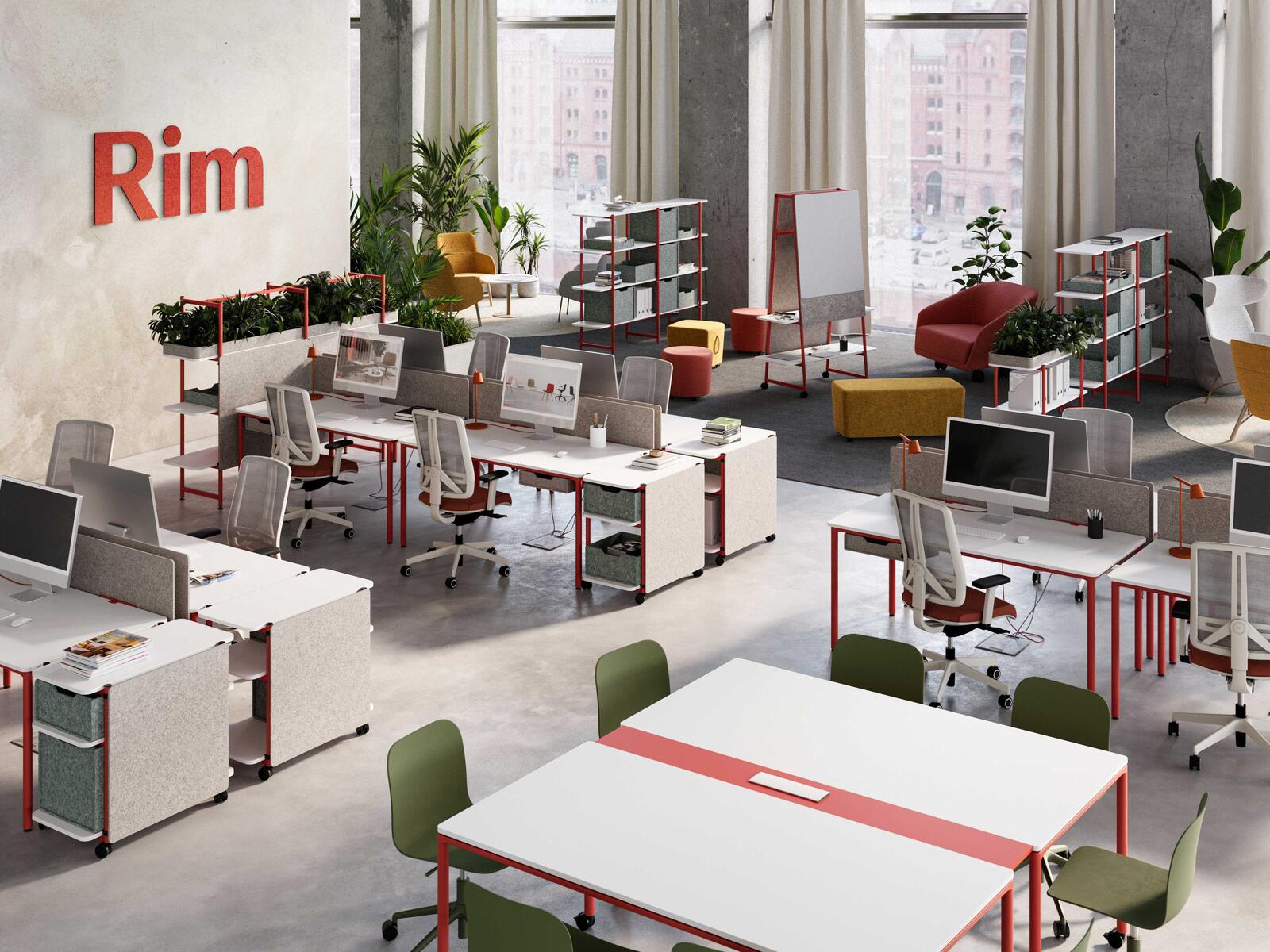
A major step came with the Agilo programme. This is not just furniture. It is a system that makes it possible to structure, divide and adapt space. To respond to the need for privacy and openness, acoustics and visual comfort. Agilo brings flexibility – the ability to create work, collaboration and relaxation zones without the need for construction work.
For architects and designers, it is a tool. For users, it creates an environment that supports the way they work, meet and recharge.
RIM has thus moved from being a manufacturer of individual pieces of furniture to becoming a partner that helps define the entire space.
One brand, one solution
Today, RIM is no longer built only on chairs. It is built on the ability to offer complete solutions:
- task seating
- soft seating
- modular systems
- acoustic solutions
- accessories and functional elements
All with a consistent design language, a focus on ergonomics and precise craftsmanship.
For partners, this means simplicity.
For projects, consistency.
For users, an environment that works in everyday life.
Where we are heading
The direction is clear: fewer products as stand-alone objects, more solutions as a whole. The future of work and commercial spaces lies in their flexibility, variability and ability to respond to change. Whether in offices, schools, healthcare or hospitality.
RIM wants to be there as a partner that understands seating – but also understands the entire space.
Because today, it is no longer just about designing a good chair. It is about designing an environment where people can work, collaborate and relax well.